What Is a Credit Card Cash Advance?
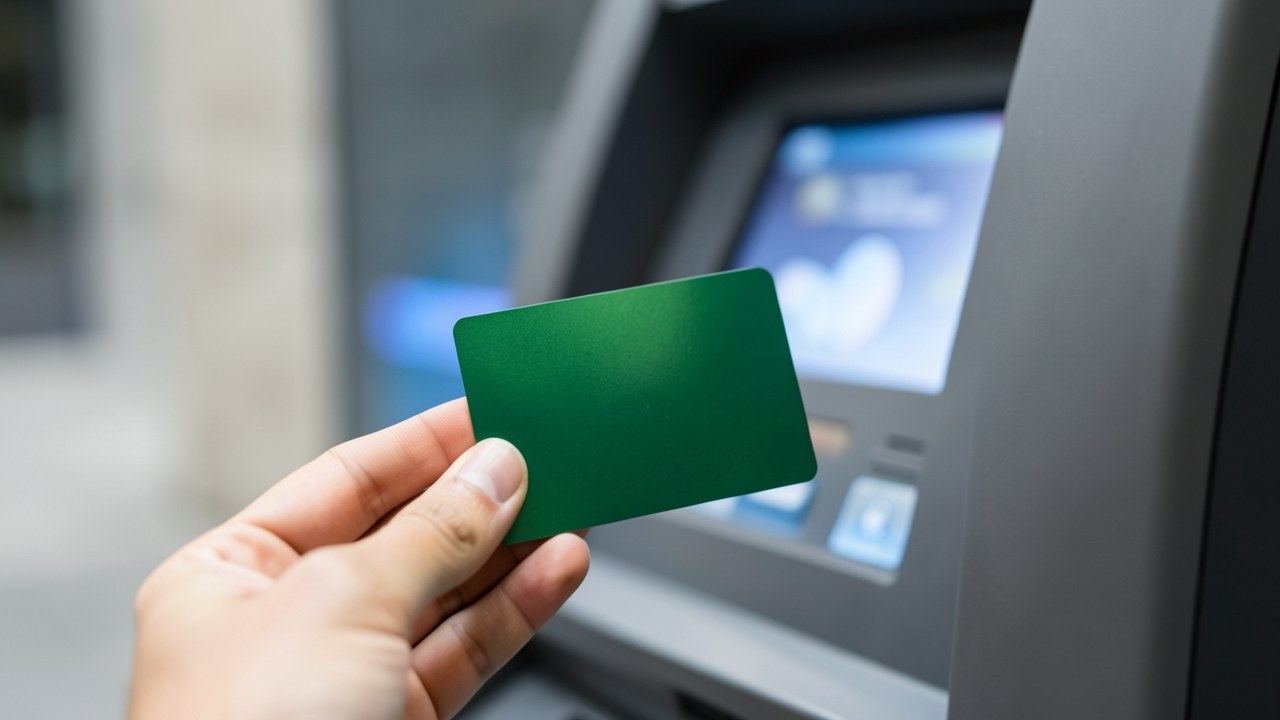
A credit card cash advance is a feature that lets you borrow cash against your card's credit line. You can typically get a cash advance by using your credit card at an ATM, through a bank teller, or with a convenience check. It is essentially a short-term loan from your credit card issuer, but it comes with different terms and costs than regular purchases.
Cash advances are not limited to ATM withdrawals. Some transactions are treated as cash advances because they are considered cash equivalents. These can include buying cryptocurrency, making peer-to-peer transfers, purchasing lottery tickets, or engaging in sports gambling. If you use your credit card for such transactions, your issuer may classify them as cash advances and apply cash advance fees and interest rates.
Sources: Consumer Financial Protection Bureau, Discover, Capital One
How a Credit Card Cash Advance Works
To get a cash advance, you can use your credit card at an ATM with a PIN, at a bank, or by using convenience checks that come with your account. The process is straightforward: you withdraw cash or use a check, and the amount is added to your credit card balance as a cash advance.
One critical difference from regular purchases is that cash advances do not have a grace period. Interest begins accruing immediately from the transaction date. Even if you pay your credit card bill in full by the due date, you will still owe interest on the cash advance from the day you took it out until the day you pay it back.
Convenience checks are treated as cash advances. They are subject to the same fees and interest rates as ATM withdrawals, and they do not have a grace period. If you use a convenience check to pay a bill or make a purchase, it will be classified as a cash advance.
Sources: Consumer Financial Protection Bureau, Federal Deposit Insurance Corporation, Capital One, Chase
Cash Advance Fees and Interest Rates
The cash advance APR is typically higher than the APR for regular purchases. Interest starts accruing immediately, so the effective cost can be high. Because there is no grace period, even a short-term cash advance accrues interest from day one.
According to a CFPB report, major card issuers charged consumers $717 million in cash advance fees on $3.6 billion in cash advance volume in 2022. This highlights the significant revenue that cash advances generate for issuers and the cost they impose on consumers.
Sources: Consumer Financial Protection Bureau, Capital One, Chase, PayPal
How to Get a Cash Advance from Your Credit Card
To get a cash advance, you typically need a PIN for your credit card. You can set up a PIN through your issuer's website or app. Then, you can use your card at an ATM that accepts credit card cash advances. Alternatively, you can visit a bank that offers cash advances on credit cards.
You can also use convenience checks, which your issuer may send you. These checks can be written to yourself or others, and they count as cash advances.
Before taking a cash advance, check your cash advance limit and the associated fees and APR. You can find these details in your card agreement or by contacting your issuer.
- Check your cash advance limit and associated costs (fees and APR) in your card agreement or online.
- Set up a PIN for your credit card, if you don't already have one, through your issuer's website or customer service.
- Use your card at an ATM that accepts credit card cash advances, or visit a bank to request a cash advance at the teller.
- Alternatively, use a convenience check from your issuer to write yourself a check.
- Keep in mind that interest begins accruing immediately and fees will apply.
Sources: Consumer Financial Protection Bureau, Discover, Capital One
Credit Card Cash Advance vs. Regular Purchase
A regular credit card purchase typically has a grace period—if you pay your balance in full by the due date, you may not be charged interest. Cash advances, on the other hand, have no grace period: interest starts accruing immediately.
The APR for cash advances is usually higher than the APR for purchases.
Both types of balances increase your credit utilization, which can affect your credit score. However, cash advances can have a more pronounced impact because they often come with higher fees and interest, potentially leading to higher balances if not paid off quickly.
Sources: Consumer Financial Protection Bureau, Discover, Chase, PayPal
Alternatives to a Credit Card Cash Advance
Before resorting to a cash advance, consider other options that may have different costs and repayment structures. Personal loans, bank cash advances, and overdraft protection are potential alternatives, but it's important to compare total costs and terms before choosing.
If you need cash quickly, you might consider borrowing from friends or family, or using a credit union’s payday alternative loan. Always compare the total cost of each option, including fees and interest, to make an informed decision.
It's important to note that cash advances can be expensive, so exploring alternatives is wise. You can use online calculators to estimate the total cost of a cash advance versus other loan options.
Sources: Consumer Financial Protection Bureau, Discover, Capital One
Impact on Your Credit Score
Using a credit card cash advance can affect your credit score in a few ways. First, it increases your credit utilization ratio, which is the amount of credit you're using compared to your total credit limit. Higher utilization can lower your credit score.
Additionally, taking a cash advance increases your overall balance, which can also boost your utilization if you don't pay it off promptly. However, cash advances themselves are not reported differently on your credit report; they appear as part of your credit card balance.
To minimize the impact, try to pay off the cash advance as quickly as possible and keep your overall utilization low.
Sources: Discover, Capital One, PayPal
Frequently asked questions
Does a cash advance affect your credit score?
Yes, a cash advance can affect your credit score. Taking a cash advance increases your credit card balance, which raises your credit utilization ratio. Higher credit utilization can lower your credit score, especially if your balance is high relative to your credit limit. To minimize the impact, pay off the cash advance as soon as possible.
Sources: Discover, Capital One, PayPalHow much does a cash advance cost on a $500 withdrawal?
Additionally, interest accrues immediately at the cash advance APR, which is often higher than your purchase APR. If you carry the balance, interest charges add up daily.
Sources: Consumer Financial Protection Bureau, Capital One, PayPalAre cash advances reported differently on your credit report?
No, cash advances are not reported differently on your credit report. They appear as part of your credit card balance. However, they can affect your credit score by increasing your credit utilization, which is calculated based on your total credit card balances. So, while the reporting isn't different, the impact on your score can still be negative if your balance increases.
Sources: Discover, Capital One, PayPalSources
- Data Spotlight: Credit card cash advance fees spike after legalization of sports gambling — Consumer Financial Protection Bureau
- Can I withdraw money from my credit card at an ATM? — Consumer Financial Protection Bureau
- Credit Card Checks and Cash Advances — Federal Deposit Insurance Corporation
- What is a Cash Advance on a Credit Card? — Discover
- What is a cash advance on a credit card? — Capital One
- Credit Card Cash Advance: What It Is & How It Works — Chase
- What's a cash advance on a credit card, and how does it work? — PayPal